
Small Things That Matter More Than You Think
This post may contain affiliate links, which means I’ll receive a commission if you purchase through my links, at no extra cost to you. Please read full disclosure for more information.
Parenting is a journey filled with countless everyday moments that shape our children into confident, capable individuals. As parents, we have the opportunity to nurture their strengths, foster their independence, and create an environment where they feel valued and understood.
A lot of this reminds me of building. It’s not one big moment that makes something strong. It’s the small steps done over and over that make it last.
In this post, I’ll share some of the lessons I’ve learned about recognizing and encouraging my children’s unique qualities—from celebrating their strengths and supporting their personal choices to fostering open conversations and showing small acts of care that leave a lasting impact. I’ll also include real-life examples of how these approaches have worked in our family, along with meaningful reflections from my own experiences. Plus, there’s a bonus tip at the end.
Tip #1
Recognizing Their Strengths
Everyone loves to feel good at something, and our kids are no different. I’ve noticed that when I ask my children to do tasks, they often feel overwhelmed. What should be a simple job can quickly feel like an insurmountable challenge. But I realized that when I focus on their strengths and praise what they do well, the task becomes much easier for them.
For example, I tell my youngest how great he is at making his bed, paying attention to how straight the blanket is. As a result, that part of his room is always the tidiest when I ask him to clean. When kids feel like they’re good at something, it stops being a chore and becomes something they’re excited to do. They look forward to showing off what they’ve learned and feel proud as they get better with each practice.
It’s a lot like learning to build something. You don’t start by doing everything perfectly. You start by getting one small part right and building from there.
This idea was reinforced for me when I read Mini Habits by Stephan Guise, which explains how small wins lead to long-term success. As he explains in the book, getting a win makes it easier to continue because the feeling of accomplishment motivates you to keep going. The key is consistency. As kids practice and improve, it fuels their motivation and helps them feel more capable—not just in completing chores but in their growing confidence and abilities.
Incorporating this small habit of recognizing their strengths has made guiding them to add their own habits easier. Whether it’s reading time, piano practice, or other daily routines, once they see how good they are at something, they’re eager to keep building on that success. When I tell them their song sounds good or that they’re reading more smoothly, they get even more excited to practice. It makes them eager to show me how much they’ve improved, and soon they’re excited to read their homework stories aloud or play a new piano piece. These tiny habits, done consistently, have made them feel accomplished and motivated to continue.
A few questions to help integrate this step into your life:
How can we create more opportunities for our kids to discover their strengths and build confidence in their own abilities?
What small wins can you celebrate today to spark your child’s confidence and motivation?
What strengths can you help your child recognize today to set them on the path to greater confidence?
Challenge: Take a moment today to notice something your child does well and praise them for it. Watch how their confidence grows!
Tip #2
Making Lunches with Love
This may seem like a small thing, but hear me out. When I was a kid, I often went without lunch. The only times I ate were when a teacher noticed and sent me to the lunch line. That’s when I’d receive the dreaded red stamp—the “Stamp of Shame.” It was a public sign that I couldn’t afford lunch, but even worse, it meant trouble at home. As soon as I walked through the door, I’d be dragged to the bathroom by my hair, where my hands were scrubbed raw to remove the mark. Scrubbed until they were so red and raw, it felt like I had no skin left. To my family, that stamp was as unacceptable as a tattoo.
On top of that, I’d hear kids complain about how gross school lunches were. I never quite understood that. The few times I actually got a tray, I was just grateful I didn’t have to worry about what might be in my food—unlike at home, where I sometimes had to check my rice for glass. Yes, you read that right. But that’s another story. What I did understand, though, was that the cool kids—the ones with moms who cared—had home-packed lunches filled with the best treats. They had Lunchables, fruit roll-ups, pudding cups, and chips in a bag that wasn’t the off-brand kind from the food pantry.
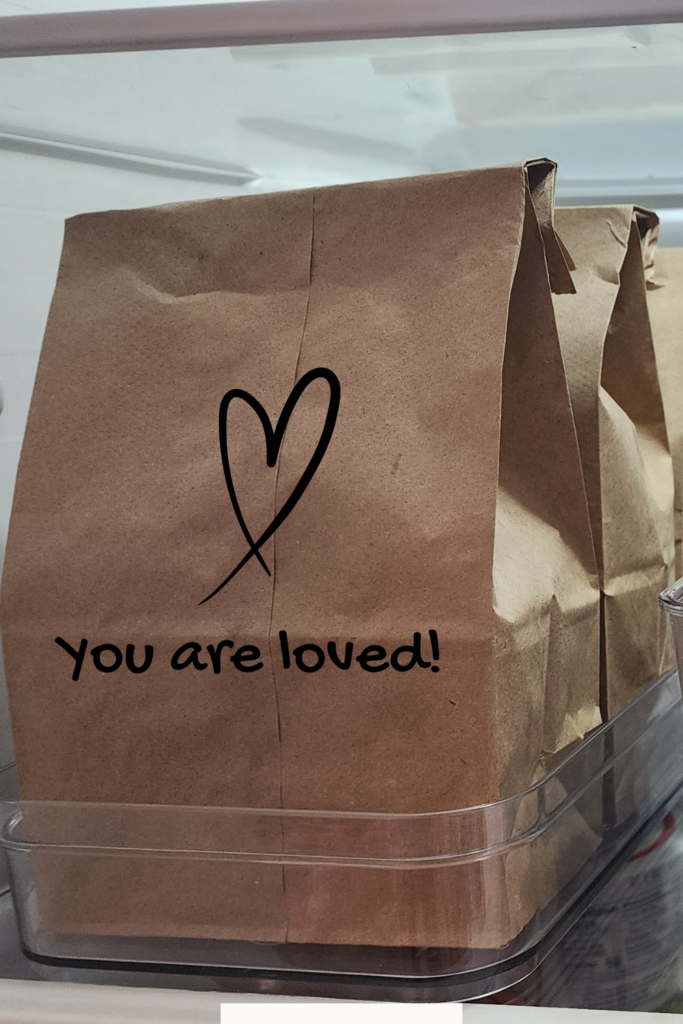
Now, my kids have never had an experience like that, but I always promised myself that when I became a mom, I’d make sure they had good lunches. Reality made that harder than I expected. Mornings were a struggle, and I often found myself scrambling to pack their lunches. Eventually, I realized that prepping them the night before and setting them on a clear plastic tray made all the difference. Not only did it make mornings easier, but those trays completely transformed how I organize my fridge.
And beyond just the organization, seeing those neatly lined-up lunches each day is healing for me. It’s a quiet reminder that I am breaking the cycle.
Even the smallest, most repetitive things we do can end up being the things that matter the most. The ones that shape how our kids feel about home.
A few questions to help integrate this step into your life:
How do the small, everyday acts of care you show help shape a sense of security and love?
What are the small ways you show love and care in your daily life?
What everyday routines in your life are actually acts of love?
Challenge: Try prepping lunches the night before for a week and see if it makes your mornings smoother.
Tip #3
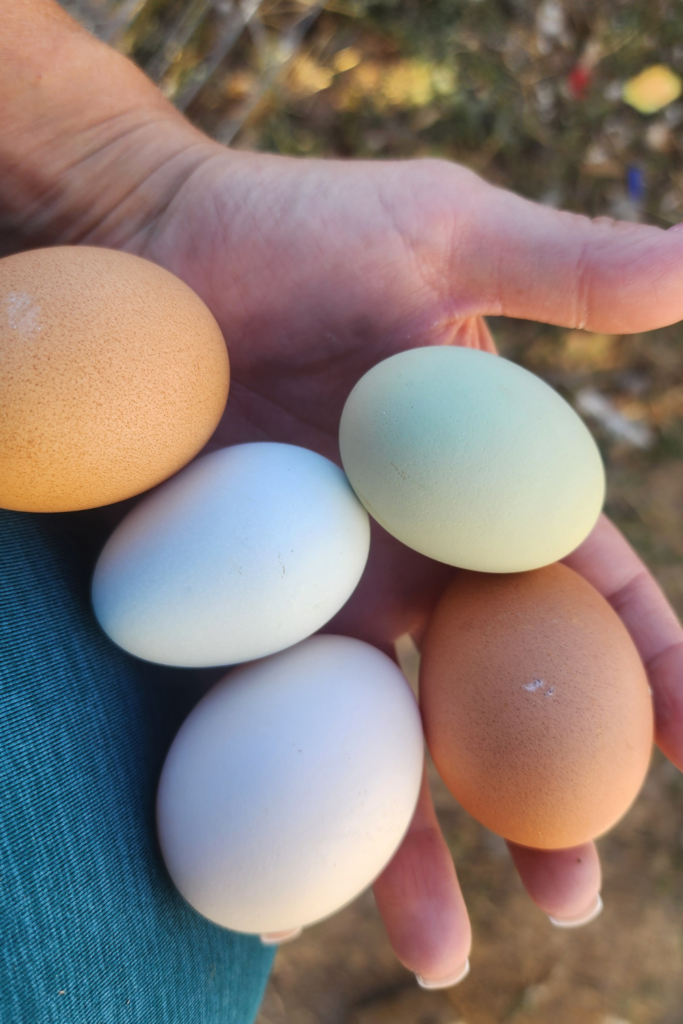
Hank’s Garden Breakfast
I love having a garden in the spring and summer. There’s something about stepping outside in the morning, feeling the sun, and breathing in the fresh air.
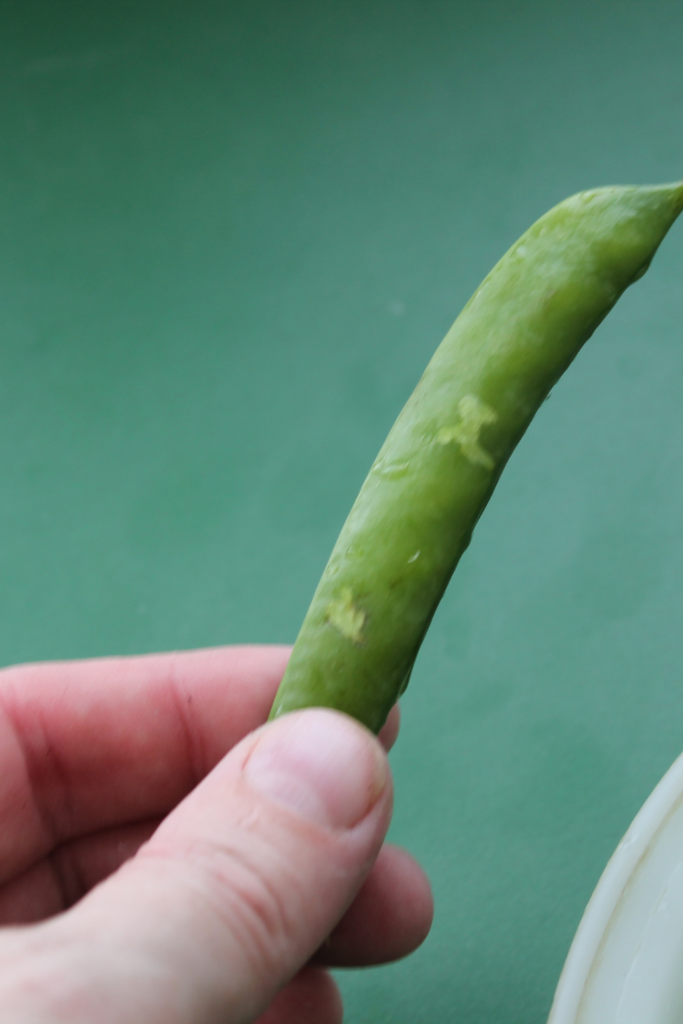
Over time, I’ve watched my son not just enjoy the harvest but truly appreciate the work that goes into it. He’s learned to love watching things grow and taking care of the plants, even when it’s hard work.
It reminds me a lot of building. You don’t see results right away. But if you keep showing up and taking care of something, eventually it grows into something really good.
Now, every summer, I look forward to my little garden buddy wandering through, picking and snacking as he goes.
A few questions to help integrate this step into your life:
What small changes can you make to slow down and care for something from the ground up?
What would happen if you took time to grow something that nourishes you?
Challenge: Try growing something small with your child and enjoy the process together.
Tip #4
Letting Kids Express Their Style
This one has been hard for me. But I’ve learned that letting my kids make choices—even if I don’t love them—is important.
Letting them make choices, even small ones, is part of letting them build who they are.
Teaching my kids to be confident and sure of their choices—no matter what others may think—is a priority for me. I want them to grow up knowing that their voice matters.
A few questions to help integrate this step into your life:
How can we create an environment where our children feel confident expressing who they are?
Challenge: Let your child make a small personal choice this week.
Tip #5
Finding Their Love Language
My kids are all different. One needs time. One needs conversation. One needs action.
Just like building something, it takes paying attention and adjusting as you go. What works for one doesn’t always work for another.
Learning how each of them feels loved has changed everything.
Bonus Tip
Encouraging Conversation and Exploration
One of my favorite parenting wins is creating an environment where my kids feel comfortable asking questions—any questions.
Because they know they don’t have to wait for the “right” moment, we’ve had countless meaningful conversations. They’ve learned that curiosity is a good thing, that asking for clarification is encouraged, and that trying new things—even failing at them—is part of the process. When I hear one of my kids say, “I’m not good at this yet, but I need to keep trying,” I know I’m doing something right.
Recently, my daughter’s soccer coach pulled me aside to tell me how impressed he was with her. He said she’s always quick to ask for clarification when she doesn’t understand a drill or instruction.
“It’s so refreshing,” he told me. “Instead of standing around looking confused and not participating, she just asks, ‘What do you mean?’ and then jumps right in.”
This is her first year playing club soccer, so a lot of the drills and terminology are new to her. But instead of letting that hold her back, she leans into the learning process. Hearing that made me so proud, because it’s exactly what I’ve been trying to teach at home.
I love when my kids join me in my woodshop. They’re fascinated by how things come together, and I enjoy answering their endless questions. But even more than that, I love when something doesn’t go as planned. It gives them a front-row seat to real life. They get to see that mistakes don’t mean stopping. They mean adjusting, learning, and trying again.
That’s the same mindset I want them to carry into everything they do. Try, figure it out, adjust, and keep going.
My six-year-old will sometimes tell me, “Mom, you know everything.” And as much as I’d love to take that credit, I always tell him the truth.
“No, I don’t know everything. I’m just curious about everything and willing to work to find the answers.”
You can never know everything. But knowing that the answers are out there—and being willing to go find them—is more important than having everything memorized.
Because trying is the first step to growing.
One of my favorite parenting wins is creating an environment where my kids feel comfortable asking questions.
This is the same mindset I want them to have when they’re building something too. Try, figure it out, adjust, and keep going.
Because trying is the first step to growing.
Conclusion
Parenting with intention is about the small choices we make every day. Recognizing strengths, showing love, encouraging curiosity, and giving our kids space to grow.
And in a lot of ways, we’re not just raising kids. We’re raising people who will go out and build their own lives one day.
If you’ve been feeling overwhelmed or stuck, consider this your reminder to refocus on what really matters.
Parenting isn’t about grand gestures. It’s about the small, consistent moments that build confidence, independence, and trust.
Those small things add up over time, just like anything worth building does.
Create the life you can’t wait to wake up to.
This post may contain affiliate links, which means I’ll receive a commission if you purchase through my links, at no extra cost to you. Please read full disclosure for more information.